Key Takeaways:
- Global building energy intensity has dropped by 8.5 percent and green building certifications have nearly tripled, according to the UNEP and GlobalABC’s latest global status report, showing the shift is happening at real scale.
- The green buildings market is valued at over 461 billion dollars in 2026 and is projected to grow past 763 billion dollars by 2031, meaning capital is backing this trend, not just sentiment.
- Mandatory carbon accounting rules, energy performance certificates, and sustainability-linked financing are turning efficiency into a financial requirement rather than a voluntary extra.
- Upgrading existing buildings, not just constructing new ones, is one of the highest-impact ways to make measurable environmental progress, since most of the built environment already exists.
- Practical upgrades like LED lighting, better insulation, smart thermostats, and low-flow fixtures can deliver strong returns even without a full certification budget.
- CSR credibility depends on tracking and reporting real data, such as energy and water use before and after upgrades, rather than relying on vague or anecdotal claims.
- Green building strategies support more than compliance; they also tend to lower operating costs, improve employee wellbeing, and strengthen a company’s reputation with stakeholders and talent alike.
If your company has a corporate social responsibility plan sitting in a drawer somewhere, there is a good chance it name-checks sustainability. That is not a coincidence. Buildings are one of the biggest levers a business can pull when it comes to environmental impact, and green building practices have quietly turned into one of the most practical, measurable ways to back up a CSR strategy with real numbers instead of vague promises. This is not about slapping solar panels on a roof and calling it a day. It is about rethinking how a building is designed, built, operated, and eventually renovated so that it supports the environment, the people who use it, and the bottom line all at once.
In this article, we will walk through what green building actually means in practice, why it matters for CSR goals specifically, and what the latest 2026 data tells us about where the industry is heading. We will also get into the practical side of things, including what it looks like to bring these practices into an existing building rather than starting from scratch.
What Green Building Actually Means Today
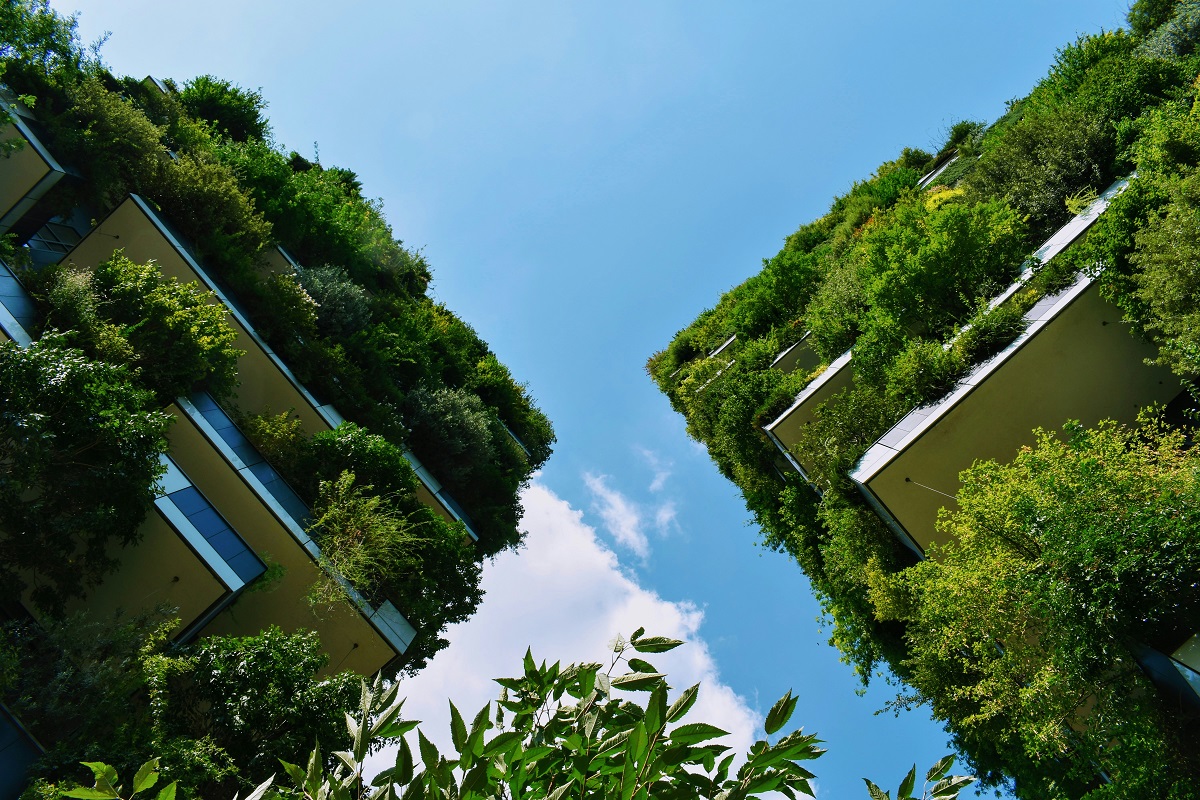
Green building is a term that gets thrown around a lot, so it helps to pin down what it covers before going further. At its core, it refers to designing, constructing, and operating structures in a way that reduces environmental impact while improving the health and comfort of the people inside them. That includes everything from the materials used in construction to the systems that heat, cool, and light a space, and even how a building is eventually decommissioned or renovated.
A few pillars tend to show up across most green building frameworks:
- Energy efficiency, including smart HVAC systems, better insulation, and on-site renewable energy
- Water conservation through low-flow fixtures, greywater recycling, and smart irrigation
- Sustainable materials that are recycled, rapidly renewable, or sourced locally to cut transportation emissions
- Indoor environmental quality, meaning better air quality, natural light, and non-toxic materials
- Waste reduction during construction and throughout the building’s operational life
None of these are new ideas. What has changed is how central they have become to how companies talk about, measure, and report their environmental performance. Green building is no longer a nice-to-have sustainability side project. It is increasingly baked into procurement decisions, real estate strategy, and investor reporting.
Why CSR Goals and Building Decisions Are Now Linked
Corporate social responsibility used to be treated as a separate track from operations, something handled by a small team that put out an annual report with some feel-good photos and a handful of statistics. That is changing fast, and buildings are a big reason why. A company’s physical footprint is one of the most visible, trackable parts of its environmental impact, which makes it an obvious place to focus CSR efforts.
Recent global research backs this up in a meaningful way. According to the Global Status Report for Buildings and Construction, the tenth edition of a joint publication from the UN Environment Programme and the Global Alliance for Buildings and Construction, worldwide building energy intensity has dropped by 8.5 percent, and green building certifications have very nearly tripled during the reporting period. That is not a marginal shift. It signals that the construction and real estate sectors, which together account for roughly 11 to 13 percent of global GDP and employ close to 9 percent of the global workforce, are moving in a direction that lines up closely with what most CSR frameworks are asking companies to do anyway: cut emissions, use resources more efficiently, and operate more responsibly at scale.
When certifications nearly triple, that tells you the market has shifted from treating green building as a boutique choice to treating it as an expected baseline. For a company trying to demonstrate real CSR progress, aligning building strategy with that shift is one of the more straightforward ways to show measurable, third-party-verified improvement rather than relying on self-reported claims.
The Market Is Backing This Up With Real Money
It is one thing to see energy intensity numbers improve. It is another to see the financial markets put serious weight behind the trend, and that is exactly what is happening. Industry market research from Mordor Intelligence estimates the global green buildings market at 461.23 billion dollars in 2026, with projections showing it climbing to 763.12 billion dollars by 2031, representing a compound annual growth rate above 10.5 percent.
That kind of growth does not happen in a vacuum. A big part of what is fueling it, according to the same research, is the rise of mandatory carbon accounting rules, energy performance certificates, and sustainability-linked financing. In plain terms, lenders and regulators are starting to treat energy efficiency less like a marketing angle and more like a condition of doing business. That shrinks the payback window on high-performance building systems and makes green retrofits look a lot more attractive on a spreadsheet, not just in a sustainability report.
Put these two data points side by side and a clear picture forms. On one hand, global reporting shows measurable environmental progress at scale, with energy intensity falling and certifications multiplying. On the other, the financial market is scaling up right alongside it, with real capital flowing toward green building products, systems, and retrofits. For a business trying to build a long-term CSR strategy, that combination matters. It means green building is not just the ethical choice; it is increasingly the economically rational one too, backed by financing structures that reward efficient buildings and penalize inefficient ones.
Why This Matters More for Older Buildings
New construction gets a lot of the attention in sustainability conversations, but the reality is that most of the built environment already exists. Tearing everything down and starting over is neither realistic nor particularly green, given the emissions tied up in demolition and new material production. This is where retrofitting and adaptive reuse come into play, and it is also where CSR goals tend to get tested the hardest.
Renovating an older commercial property is often more complex than building new, since it usually means working around outdated wiring, inefficient windows, aging HVAC systems, and layouts that were never designed with energy performance in mind. But it is also one of the highest-impact moves a company can make, because it takes a building that is actively working against sustainability goals and turns it into one that supports them. Upgrading insulation, replacing single-pane windows, installing smart building management systems, and switching to LED lighting with occupancy sensors can cut energy use dramatically without requiring a full teardown.
There is also a reputational angle here. Preserving and upgrading an existing structure, rather than demolishing it, tends to resonate well with communities and stakeholders who care about heritage, continuity, and reduced construction disruption. For companies managing a CSR narrative, that story tends to land better than a shiny new building built on top of a demolished one.
Practical Green Building Practices Worth Prioritizing
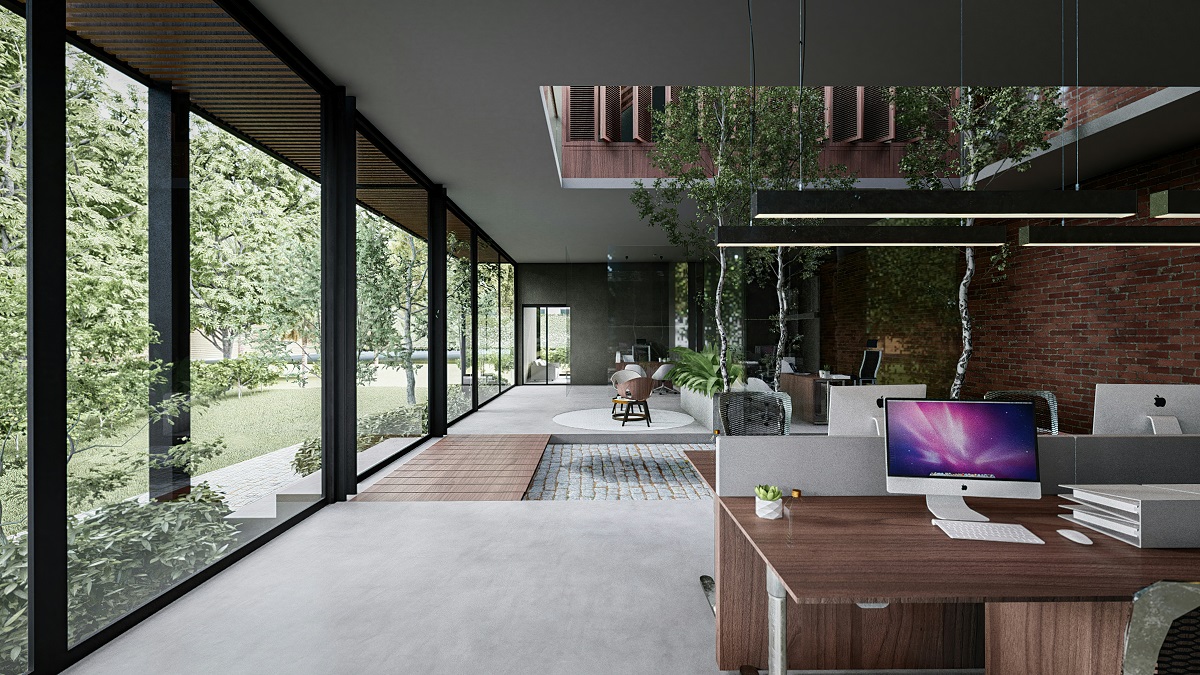
Not every company has the budget for a full LEED-certified overhaul, and that is fine. Green building progress does not have to be all-or-nothing. Some practices deliver strong returns even on a modest budget, while others require more upfront investment but pay off over a longer horizon.
Here are practices worth considering, roughly ordered from lower-effort to higher-effort:
- Swap out lighting for LED fixtures paired with occupancy and daylight sensors
- Conduct an energy audit to identify where a building is losing efficiency
- Improve insulation in walls, roofs, and around windows and doors
- Install smart thermostats and building management systems that adjust heating and cooling based on real-time occupancy
- Add low-flow plumbing fixtures and consider greywater recycling for irrigation or non-potable uses
- Source recycled, reclaimed, or rapidly renewable materials for any renovation or fit-out work
- Set up a construction waste diversion program to keep demolition debris out of landfills
- Explore on-site renewable energy, such as rooftop solar, where the building’s structure and location allow it
- Pursue third-party certification, such as LEED, WELL, or BREEAM, once a critical mass of upgrades is in place
The order matters less than the mindset behind it. Small, incremental upgrades add up, and they also give a company something concrete to point to in CSR reporting long before a full certification becomes realistic.
How to Actually Tie This Back to CSR Reporting
Green building efforts only support CSR goals if they get measured, tracked, and communicated in a way that is credible. This is where a lot of companies fall short. It is easy to install efficient lighting and call it a win, but CSR reporting frameworks increasingly expect data, not just anecdotes.
A few things help bridge that gap:
- Track energy and water use before and after upgrades, and report the percentage change rather than vague statements
- Align building improvements with recognized standards so claims can be independently verified
- Include building-level sustainability metrics in annual CSR or ESG reports, not just company-wide averages
- Set specific, time-bound targets, such as reducing energy intensity by a defined percentage within a defined number of years
- Communicate both successes and setbacks honestly, since CSR credibility depends on consistency, not just good news
Companies that treat their buildings as a data source for CSR reporting, rather than a backdrop for a photo of a green roof, tend to build more trust with stakeholders, investors, and employees alike. It also creates internal accountability, since a building that is being measured is a building that is more likely to keep improving.
The Long-Term Payoff Goes Beyond Compliance
It is worth stepping back and asking why any of this matters beyond checking a box for a CSR report. Green buildings tend to have lower operating costs over time, which matters regardless of a company’s environmental priorities. They also tend to support healthier indoor environments, which has knock-on effects for employee wellbeing, satisfaction, and even retention. On top of that, as financing and insurance markets increasingly factor in building performance, an inefficient property can become a genuine financial liability rather than just an environmental one.
There is also a talent and reputation angle that should not be underestimated. Employees, especially younger ones entering the workforce, increasingly want to work for companies that can point to real, verifiable environmental commitments rather than vague statements about caring for the planet. A green building strategy backed by actual data, like the kind reflected in current market and emissions research, gives a company something concrete to show rather than just something to say.
Bringing It All Together
Green building practices and CSR goals have become two sides of the same coin. The data from global emissions tracking shows the built environment is genuinely changing, with energy intensity falling and certifications multiplying at a pace that would have seemed ambitious a few years ago. Meanwhile, the financial markets are backing that shift with real capital, driven by regulatory and financing pressures that are only likely to intensify. For any company serious about long-term CSR commitments, buildings are one of the clearest, most measurable places to make progress, whether that means constructing new with sustainability baked in from day one or upgrading what already exists.
The path does not have to be dramatic. Small, well-documented upgrades, tracked consistently and reported honestly, can do more for a CSR strategy than a single flashy project that never gets measured again. Whatever stage a company is at, the direction of travel is clear, and the data increasingly makes the business case alongside the environmental one.