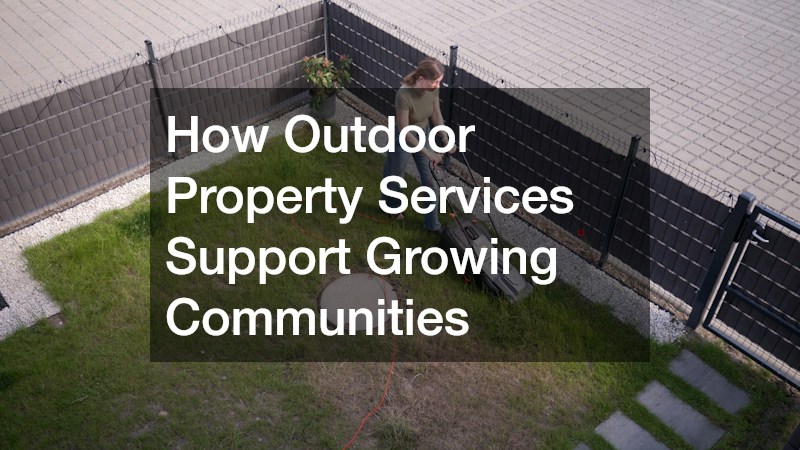
As communities grow, outdoor spaces often need to accommodate changing uses, more activity, and additional development. Residential properties, rural land, and agricultural areas may require specialized care involving trees, boundaries, pests, water systems, livestock, structures, and terrain. Thoughtful planning and regular maintenance can help property owners keep these spaces functional while addressing problems before they interfere with everyday use.
Address Hazardous Growth Before It Creates Property Problems
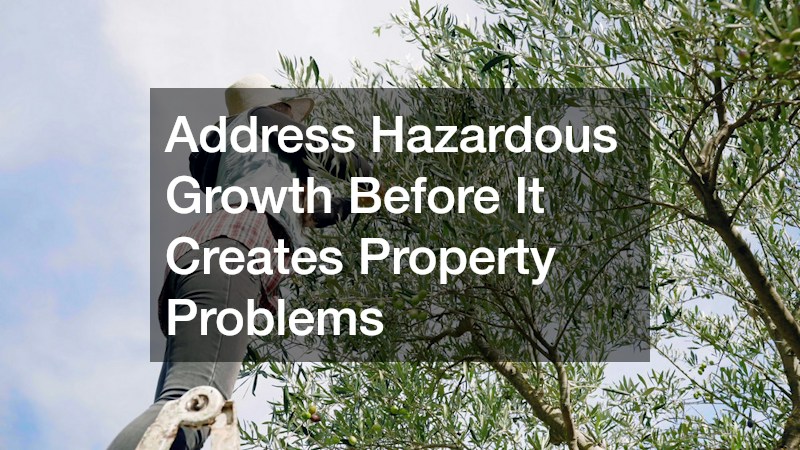
Trees can become a concern when they are damaged, diseased, overgrown, or positioned too close to structures and other property features. As communities develop, properties may also undergo construction or landscaping changes that alter the space available around established trees. Addressing potential hazards before beginning other work can help property owners plan projects more carefully.
Tree removal services may be appropriate when a tree presents a significant concern or interferes with planned property improvements. Before arranging removal, property owners should consider:
- The tree’s location relative to buildings and other structures
- Available access for equipment and workers
- Nearby fences, landscaping, and utility infrastructure
- How removed material will be handled
- Whether the area will be replanted or redesigned
Removal should be considered as part of the property’s broader plans rather than as an isolated task. A cleared area may eventually become a driveway, outdoor gathering space, garden, or another useful part of the property. Thinking about the intended future use can help guide decisions about what happens after the tree is removed and how the surrounding landscape should be developed.
Plan Property Boundaries Around Changing Land Uses
As communities expand, properties may serve several purposes within relatively close proximity. A home may include recreational areas, gardens, storage spaces, or areas for animals, while rural properties may need clearly separated spaces for equipment, livestock, and other activities. Clearly defined boundaries can make these different uses easier to manage.
When planning fence installations, property owners should consider the purpose of each section before selecting a layout or materials. Useful planning questions include:
- What areas need to remain separated?
- Where should people and vehicles enter?
- Will the property use change in the future?
- Which areas require additional privacy or containment?
- How will gates affect everyday access?
A fence should work with the property rather than simply follow its perimeter without consideration for how the land is actually used. Slopes, trees, structures, driveways, and drainage patterns can all affect placement. Planning these factors together can reduce conflicts between fencing and other outdoor improvements.
A thoughtful boundary plan can also make future changes easier. Leaving practical access points and considering potential expansion can prevent owners from having to redesign sections of the property when needs change.
Prevent Outdoor Problems Before They Spread
Outdoor environments can change considerably as properties are developed, landscaped, or used more frequently. Vegetation, standing water, waste, structures, and other conditions may contribute to unwanted pest activity. Addressing potential problems early can help property owners maintain more manageable outdoor spaces.
Pest control should be part of an ongoing property maintenance approach rather than something considered only after a significant problem develops. Property owners can monitor areas where pests may become an issue and pay attention to changes around buildings and outdoor spaces.
Practical prevention steps may include:
- Inspecting exterior areas regularly
- Keeping storage areas organized
- Addressing conditions that may attract pests
- Maintaining vegetation around structures
- Monitoring areas that are difficult to access
The appropriate response depends on the type of property and the specific issue involved. A residential property, agricultural area, and recreational space may each have different concerns. Regular observation can help property owners identify changes earlier and determine whether professional assistance is appropriate.
Coordinating pest prevention with landscaping and property maintenance can also make outdoor spaces easier to manage. Instead of treating each issue separately, owners can look at the conditions throughout the property and address contributing factors as part of regular upkeep.
Prepare Rural Properties for Responsible Animal Care
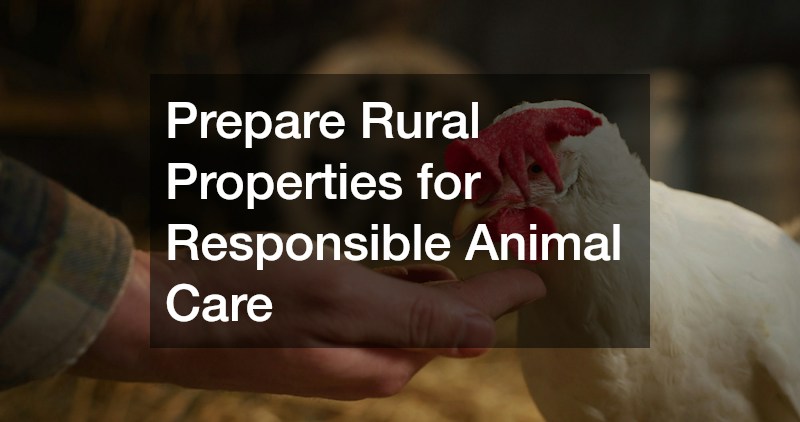
Properties that support livestock have different practical requirements from those used solely for residential purposes. Animals need appropriate care, and the people managing them need convenient access to the materials required for daily routines. Good organization can make these responsibilities easier while helping keep outdoor areas functional.
Livestock supplies should be selected and stored based on the animals being cared for and the property’s daily operations. Owners can consider several factors when organizing these resources:
- How frequently different supplies are used
- Where feed and equipment can be stored
- How supplies can be protected from outdoor conditions
- How people and animals move through the property
- Which materials need to remain readily accessible
Storage locations should also be considered in relation to fences, gates, shelters, driveways, and other property features. A poorly placed storage area can create unnecessary travel or make routine tasks more difficult.
As communities grow, rural properties may also experience changes in surrounding land use. Planning animal-related spaces carefully can help property owners maintain their routines while making efficient use of available land. Keeping supplies organized and accessible is one part of creating an outdoor environment that supports responsible property and livestock management.
Create Consistent Maintenance Plans Across Multiple Properties
Properties can become harder to maintain when they include multiple structures, outdoor areas, landscaping features, or specialized systems. This is particularly relevant for people responsible for several properties or for properties with numerous recurring maintenance requirements. A structured approach can make it easier to track responsibilities and identify problems.
Property management can involve coordinating many different types of upkeep. Rather than addressing issues only when they become urgent, property owners and managers can establish recurring schedules for inspections and maintenance.
A useful plan can include:
- Routine landscape inspections
- Tree and vegetation maintenance
- Fence and gate checks
- Exterior structure inspections
- Water system maintenance
- Pest monitoring
- Documentation of completed work
Keeping records can help identify recurring problems and show when specific areas were last inspected or maintained. This information can also make future planning more organized.
Maintenance priorities may change as properties develop. A newly improved outdoor area may require different attention than an older space, while changes in occupancy or property use can create additional responsibilities. Reviewing maintenance plans periodically allows property managers to account for these changes rather than relying on a fixed schedule that no longer matches the property’s needs.
Keep Private Water Systems Reliable and Accessible
Water access can be an important consideration for properties outside centralized water systems. Residential properties, agricultural land, and other rural spaces may depend on private equipment to move water where it is needed. Because these systems can support everyday activities, problems with the equipment can affect more than one part of the property.
Well pumps service can address maintenance needs associated with private water systems. Property owners should pay attention to changes that may indicate a problem rather than waiting until water access is significantly disrupted.
Important considerations include:
- Keeping equipment areas accessible for inspection
- Monitoring changes in water pressure or availability
- Understanding where key equipment is located
- Scheduling appropriate maintenance
- Keeping relevant service information available
Property owners should also consider how water systems interact with other outdoor features. Landscaping, livestock areas, gardens, structures, and access routes may all depend on reliable water access.
Planning can make service and maintenance easier because technicians need practical access to equipment. Keeping the surrounding area organized and avoiding unnecessary obstructions can help property owners respond more efficiently when inspection or repairs are needed.
Choose Tree Care Based on the Property’s Specific Needs
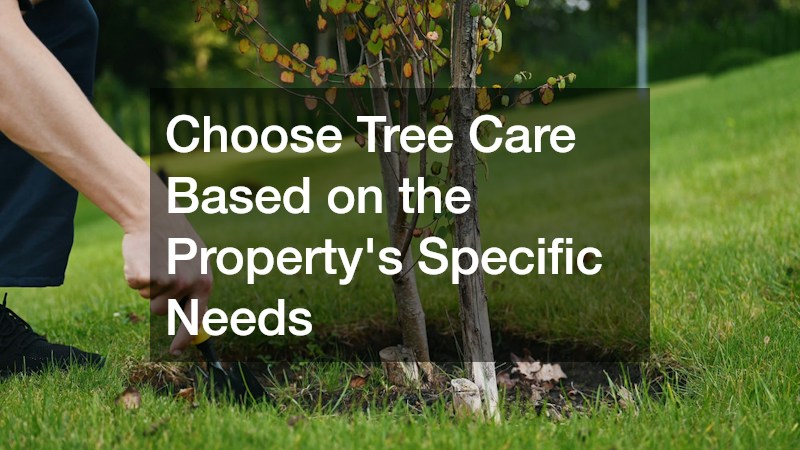
Not every property has the same tree care requirements. Tree placement, species, age, surrounding structures, landscaping, and intended land use can all affect how trees should be maintained. A property with mature trees near buildings may have different priorities from a larger rural property with trees spread across open land.
A local tree service can help property owners address tree-related needs within the context of the surrounding property. Before arranging work, owners can identify areas that may need attention and consider how tree care fits into broader outdoor plans.
Property owners can prepare by noting:
- Trees located near structures or access areas
- Branches interfering with outdoor spaces
- Areas where growth affects visibility
- Trees near fences or other improvements
- Locations where future landscaping is planned
Regular tree care can also help property owners stay aware of changing conditions. Instead of treating every tree-related concern as an isolated problem, owners can maintain an overall understanding of how vegetation affects the property.
This approach is particularly useful as communities develop around existing landscapes. Trees that once had ample open space around them may eventually be closer to buildings, driveways, fences, or other features. Considering those changes can help property owners plan appropriate care as the surrounding environment evolves.
Add Outdoor Structures That Expand Usable Space
Outdoor spaces can provide opportunities for gathering, recreation, dining, relaxation, and other activities. Adding a structure can make these areas more useful, but the design should reflect how the space will actually be used. Placement, available room, access, and surrounding features all matter when planning an outdoor addition.
Custom pergolas can be incorporated into outdoor areas where property owners want a defined gathering or relaxation space. Before planning a structure, owners should consider:
- The intended purpose of the space
- Its relationship to existing buildings
- Available walking and access routes
- Nearby trees and landscaping
- Furniture or other features that will occupy the area
- Future changes to the outdoor space
A structure should feel connected to the rest of the property rather than appearing as an unrelated addition. Its placement can influence how people move between indoor and outdoor areas, while its size can affect how much surrounding space remains available.
Planning also matters for long-term use. An outdoor structure may eventually serve different purposes as household or community needs change. Thinking about flexibility during the design stage can help create an improvement that remains useful as the property evolves.
Maintain Healthy Trees Through Proactive Care
Tree growth can gradually affect outdoor spaces even when there is no immediate hazard. Branches may extend toward structures, pathways, fences, or other areas where they interfere with regular property use. Regular attention can help property owners address these changes before they become more difficult to manage.
Tree trimming should be planned around the condition and location of the trees as well as the property’s overall layout. Property owners can monitor areas where growth may create conflicts and consider recurring maintenance instead of waiting until branches become an obvious problem.
Useful planning considerations include:
- Trees growing near buildings
- Branches extending over pathways
- Growth affecting visibility
- Vegetation near outdoor structures
- Trees located close to fences or property access points
Tree care can also support broader landscaping goals. Maintaining trees around gathering areas, driveways, gardens, and other outdoor spaces can help property owners keep those areas functional.
As communities expand, existing trees may become surrounded by new development. What was once an open area may eventually contain additional structures, paths, or recreational spaces. Proactive maintenance can help property owners account for these changes while continuing to incorporate established trees into the landscape.
Strengthen Sloped Areas With Purposeful Landscape Design
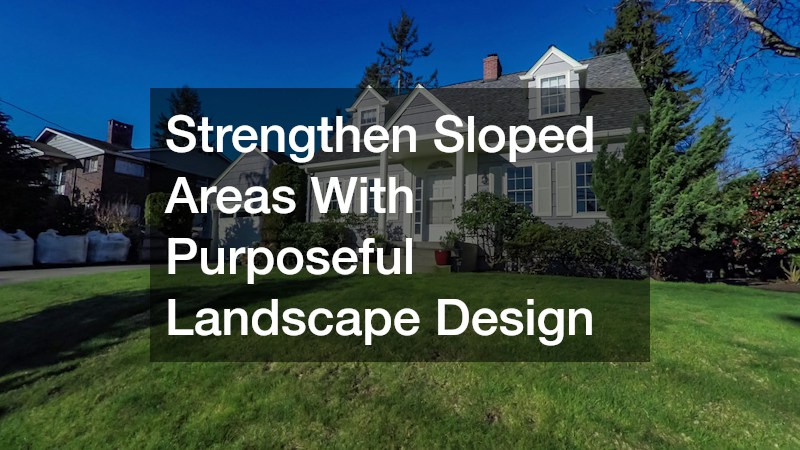
Elevation changes can create challenges for properties that need usable outdoor areas. Sloped land may affect how people move through a property, where landscaping can be placed, and how water moves across the site. Addressing these conditions during planning can help property owners make better use of uneven terrain.
A precast retaining wall can be considered as part of a broader landscape design when a property needs a structured approach to managing changes in elevation. Placement should be considered alongside surrounding features and the intended use of the area.
Before planning a retaining structure, property owners can review:
- The slope and layout of the area
- Nearby structures and access routes
- Drainage and water movement
- Landscaping planned around the structure
- How the space will be used after completion
A retaining feature should not be viewed independently from the rest of the property. Its location can affect walkways, planting areas, outdoor gathering spaces, and other improvements.
Planning these relationships can help create a more cohesive outdoor environment. Property owners can consider how structural improvements will interact with landscaping and future projects rather than treating each change as a separate addition. This approach can make uneven areas more practical while supporting broader property development goals.
Growing communities need outdoor spaces that can adapt while remaining functional and well-maintained. Proactive planning, regular maintenance, and coordinated improvements can help property owners address changing needs and make better use of available land. Specialized outdoor services can provide practical support as properties and communities continue to develop.